Exploring the Transformative Power of Artificial Intelligence
Title: Exploring the Transformative Power of Artificial Intelligence
Introduction:
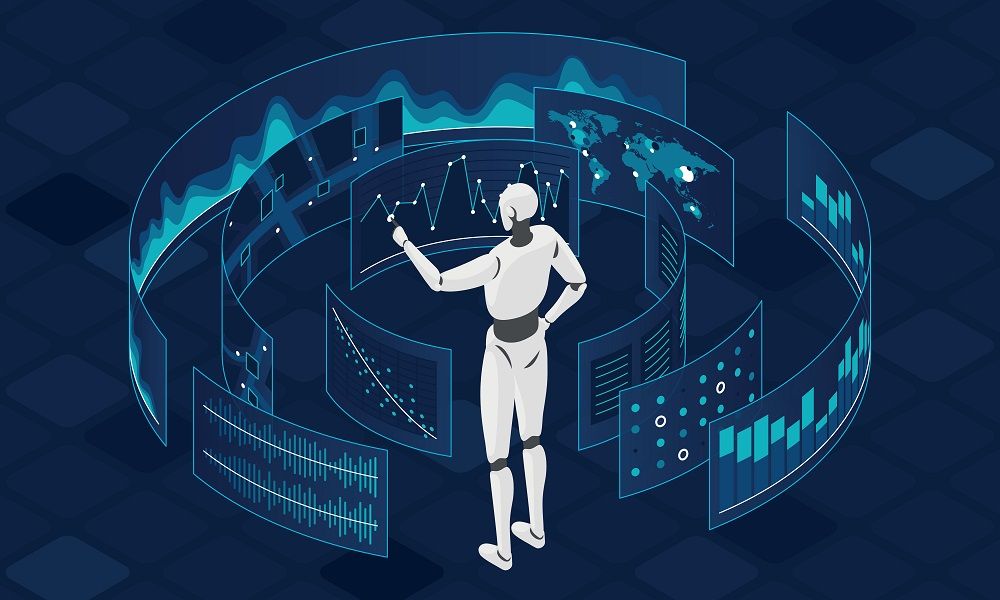
In today's rapidly evolving technological landscape, few innovations have captured the imagination and potential for transformative change quite like artificial intelligence (AI). From revolutionizing industries to enhancing daily experiences, AI is reshaping the way we live, work, and interact with the world around us. In this blog, we'll delve into the multifaceted realm of AI, exploring its applications, impact, and the opportunities it presents for the future.
Understanding AI: At its core, AI refers to the simulation of human intelligence processes by machines, particularly computer systems. This encompasses a wide range of capabilities, including learning, reasoning, problem-solving, perception, and language understanding. AI systems can analyze vast amounts of data, recognize patterns, and make decisions with varying degrees of autonomy, often surpassing human capabilities in speed and accuracy.
Applications of AI: The applications of AI span across numerous sectors, driving innovation and efficiency in diverse fields. In healthcare, AI-powered diagnostics and predictive analytics are revolutionizing patient care, enabling early detection of diseases and personalized treatment plans. In finance, AI algorithms are optimizing trading strategies, detecting fraud, and improving risk management. Transportation is being transformed by autonomous vehicles, while manufacturing benefits from AI-driven automation and predictive maintenance. Additionally, AI is enhancing customer experiences through chatbots, virtual assistants, and personalized recommendations in e-commerce and entertainment.
Ethical Considerations: While the potential of AI is immense, it also raises ethical concerns and challenges that must be addressed. Issues such as bias in AI algorithms, data privacy, job displacement due to automation, and the potential for misuse of AI-powered technologies highlight the importance of ethical guidelines and regulatory frameworks. Ensuring transparency, fairness, and accountability in the development and deployment of AI systems is essential to harnessing its benefits responsibly.
The Future of AI: Looking ahead, the future of AI holds boundless possibilities. Advancements in machine learning, deep learning, natural language processing, and robotics are pushing the boundaries of what AI can achieve. From personalized medicine to sustainable energy solutions, AI has the potential to tackle some of the most pressing challenges facing humanity. However, realizing this potential requires collaboration across disciplines, investment in research and development, and a commitment to ethical innovation.
Conclusion: Artificial intelligence represents a paradigm shift in how we perceive and interact with technology. Its transformative power has the potential to reshape industries, revolutionize processes, and enhance the quality of life for people around the globe. As we continue to unlock the capabilities of AI, it is imperative that we do so responsibly, with a focus on ethics, inclusivity, and sustainability. By harnessing the power of AI for the greater good, we can pave the way for a future where innovation knows no bounds.


Comments
Post a Comment